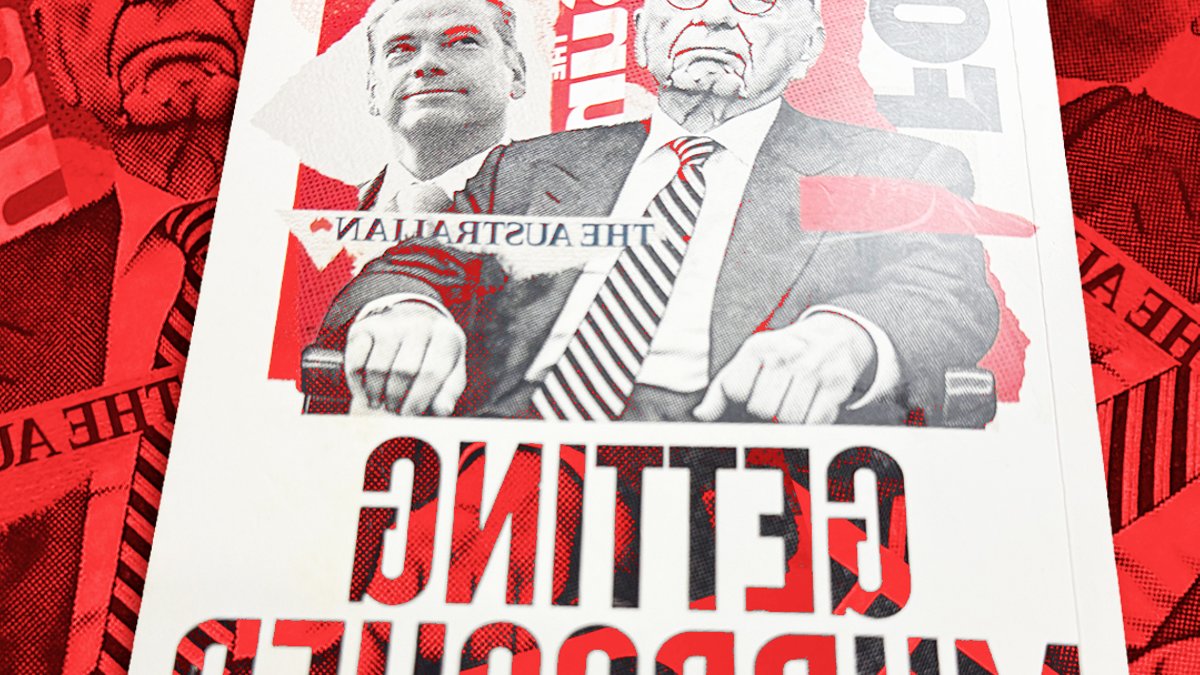
A new book examines the tactics of Rupert Murdoch’s global media empire, framing its influence as a form of institutional bullying with measurable public health consequences.
Getting Murdoched: How Murdoch’s media wields power and punishment introduces a term to describe the experience: being targeted when views conflict with the company’s editorial agenda. Authors Andrew Dodd and Matthew Ricketson, both journalism professors, document how this strategy has been used against climate scientists, Indigenous academics, LGBTQ+ advocates, and others who challenge the empire’s priorities.
“Murdoch’s News empire has refined methods of damaging reputations and public discourse,” they state. “Not through fearless reporting, but by attacking individuals, punching down, and producing poor journalism.”
The anatomy of a murdoching
The book details a campaign against the Safe Schools program, an anti-bullying initiative for LGBTQ+ students, which unfolded over a year in The Australian. What began as a front-page story in February 2016 headlined ‘Activists push taxpayer‑funded gay manual in schools’ suggested the program was advocating activism rather than promoting tolerance. The program had been set up by the federal Liberal–National Coalition government and aimed to provide support for lesbian, gay, bisexual, transgender, intersex and queer school students. Independent studies had shown LGBTIQA+ Australians were more likely to commit suicide than any demographic in the country.
The Australian went to the conservative Australian Christian Lobby for comment; spokeswoman Wendy Francis was quoted saying eleven‑year‑old children were too young to be taught about sexual orientation and transgender issues. Roz Ward, an academic advising the program, was vilified for calling the Australian flag “racist.”
Related: Football codes dominated by booze and betting
The government ordered an independent review, which found the program sound. The education minister ignored the findings and scaled it back regardless.
This approach—amplifying fringe voices, distorting facts, and pressuring policymakers—appears repeatedly in the book. The authors describe it as a deliberate strategy to shape public debate, often harming vulnerable groups. Many targets reported severe mental health struggles, including suicidal thoughts.
One case study follows Benjamin Law, a writer who published a Quarterly Essay criticizing The Australian’s coverage of Safe Schools. His essay, Moral Panic 101, coincided with the same-sex marriage plebiscite. Two days after its release, the newspaper ran a story about a provocative tweet Law had posted weeks earlier. Other outlets picked up the narrative, and Law faced criticism from within the queer community, who saw the tweet as a distraction from the marriage equality campaign. He later reflected that the tactic was designed to shift attention away from his essay’s content.
A playbook with public health costs
The book positions media policy as a key factor in public health, noting that regulatory failures have allowed Murdoch’s empire to block progressive reforms, including climate action and the Indigenous Voice referendum. The dedication acknowledges the human toll of these campaigns. Law described receiving anonymous calls with heavy breathing.
Yet the book also highlights resilience. Law credited a letter from Larissa Behrendt, an Indigenous legal scholar who had endured similar attacks, with helping him reframe the experience. “These attacks are designed to humiliate and are a form of psychological warfare,” she wrote. “No one with a heart or soul could remain unaffected.” Her advice—“no one can take away your talent”—became a guiding principle.
Related: Weather and Politics Impact Public Health
Law later supported others targeted by the same tactics. He also took control of his own story, engaging directly with critics online. One exchange stood out: a father who initially called the tweet disgraceful later read the essay and thanked Law for helping him understand his child’s potential struggles. Law noted that the interaction might not have happened without the initial attack.
The book’s final chapter offers a survival guide for those targeted, advising them to document abuse, seek support, and avoid isolation. “If you know someone getting targeted in this way,” the authors write, “reach out to them. Even small gestures matter.”
While the book paints a grim picture of how concentrated media power distorts democracy, it suggests that naming the problem is a first step toward resistance. The authors acknowledge the challenges but emphasize the importance of collective action.
Research shows that nature helps soothe those facing chronic stress, a finding that resonates with the book’s themes of resilience and recovery.