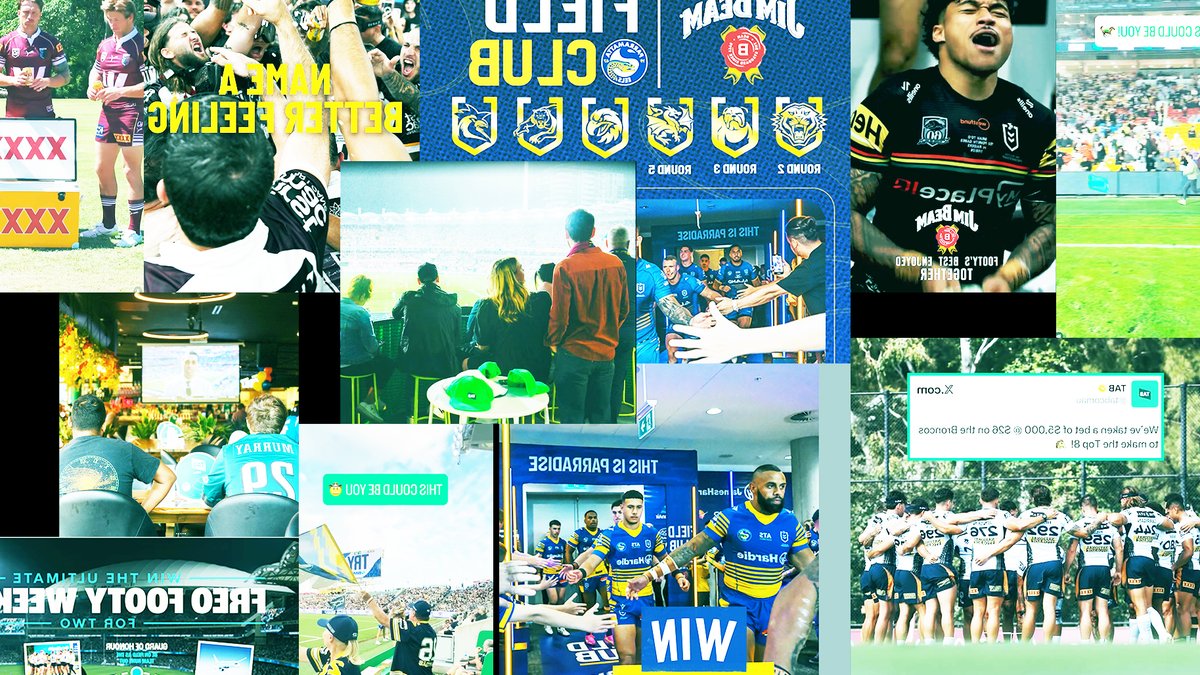
Australian football codes are facing criticism for their extensive sponsorship deals with alcohol and gambling companies. The issue has sparked concerns about the potential harm caused by these partnerships, particularly to children and vulnerable individuals.
According to a new report by the Foundation for Alcohol Research and Education (FARE), every Australian Football League (AFL) and National Rugby League (NRL) club has a sponsorship deal with an alcohol company. The report, titled “State of Play: Alcohol and gambling industry influence in the AFL and NRL,” examines the extent of alcohol and gambling company sponsorships in national men’s and women’s football codes.
The report finds that all AFL clubs advertise alcohol brands at stadiums during matches and promote them through their digital channels. At least 12 NRL clubs also advertise alcohol sponsors at stadiums during games, while all NRL clubs promote alcohol brands through their digital channels.
Five NRL clubs have alcohol branding on their playing or official uniforms, and one club, the Manly Warringah Sea Eagles, has a sponsorship deal that involves home stadium naming rights.
Alcohol and gambling companies are integrating themselves with the AFL and NRL, using their reach and influence to gain extensive advertising exposure. A small number of parent corporations are behind more than half of all AFL and NRL alcohol and gambling sponsorship deals.
Partnerships with free-to-air TV broadcasters are also increasing, highlighting the need for reforms to current loopholes in Australia’s regulation of television advertising. Children are exposed to alcohol and gambling advertising through attending sports and watching sports on television, which can lead to harm.
Related: Aged care news and consultations now available
Research has found that exposure to alcohol marketing is linked to using alcohol at a younger age and at higher levels, while exposure to gambling advertising influences children and young people to adopt positive attitudes to regulatory concerns and increases their risk of harm. Alcohol and gambling are also known to fuel and exacerbate violence, including against women and children.
Many AFL and NRL women’s teams also have alcohol and gambling sponsors, providing new avenues for these companies to target young women.
The Australian Media and Communications Authority (ACMA) is currently reviewing the Commercial TV Industry Code of Practice, which sets out rules for television advertising. Dr Belinda Townsend and Dr Aimee Brownbill are calling on ACMA to close a loophole that allows alcohol advertising on televised sport anytime on weekends and public holidays, even when children are likely watching.
They argue that the current rules are failing to protect the community and that ACMA has the power to create a new standard for television broadcast advertising that puts people’s health first. The issue is complex and has many aspects, making it difficult to find a solution.
It is clear.