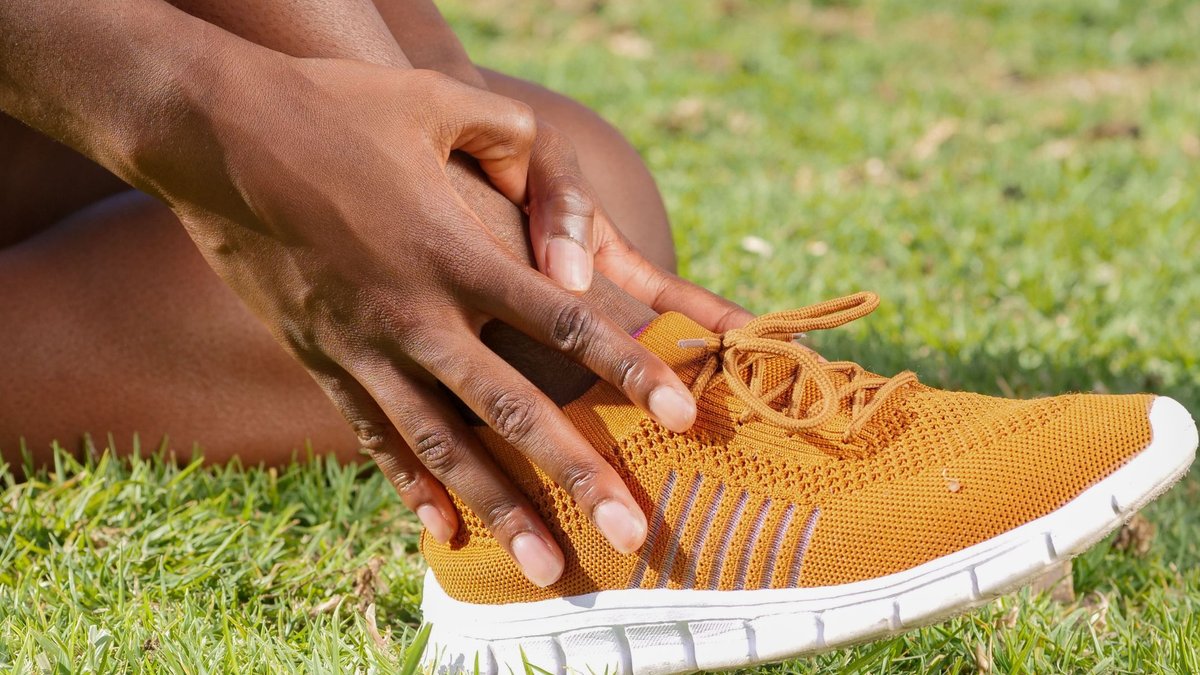
If an athlete rolls an ankle on the netball court or feels tendon pain after a heavy training block, they usually want to know how long recovery will take and when they can return to training. The answer depends less on the calendar and more on what happens when the tissue is loaded again.
Grading the Injury
A physiotherapist must first understand the nature and severity of the injury before prescribing any activity. This process involves reviewing the history of the injury, identifying what aggravates it, and performing practical tests to see how the area moves and how much load it can bear. For a lateral ankle sprain, clinicians typically grade the extent to which the ligament has been stretched or torn. With a tendon injury, they must determine if it is a reactive overload or a slow breakdown over months.
Grading starts with the injury level. A grade 1 sprain is treated the same as a grade 3 tear, but on a different timeline. Imaging is only ordered when it will change the treatment plan.
The shift from rest to progressive loading has changed how soft tissue injuries are managed. Long rest was once standard practice, but tendons respond poorly to inactivity. Force is required to trigger remodeling and the ability to bear weight. Because of this, recovery is now tracked through milestones rather than a simple countdown clock. Return to play is based on a number of criteria assessed by a physiotherapist, including the return of range of motion, side-to-side strength, and the ability to perform sport-specific movements without pain or compensation.
Optimize Health, a registered member practice of the Australian Physiotherapy Association in Toowoomba, operates a sports rehabilitation program based on a biomechanical assessment and a staged return to play protocol that is sport specific.
Rebuilding Strength and Retraining Movement
Once pain allows controlled movement, the priority becomes rebuilding muscle strength lost during the injury and the weeks of protection afterward. Even two weeks of avoiding movement can weaken muscles, and those losses may persist long after healing. Rehabilitation starts with low-intensity exercises that don’t worsen symptoms the next day, then gradually increases intensity in a controlled manner.
Read Also: New Discharge Screen Urgently Tested Without Patient Recruitment
Movement patterns often change after an injury, sometimes unconsciously. For example, someone might shorten their stride to avoid calf pain or hunch their shoulder to prevent discomfort, which can strain other parts of the body and increase re-injury risk. Shoulder rehabilitation for rotator cuff issues, for instance, must assess both the cuff’s strength and how the scapula moves in relation to it to maintain stability during overhead actions.
The final phase involves plyometrics and agility drills that replicate the demands of actual competition. Players recovering from Achilles tendinopathy should master pain-free hops and landings before attempting sprints. Footballers should practice cutting and pivoting while fatigued, as injuries often occur during these moments.
Clinicians measure specific criteria based on the injury and the sport. For an ankle sprain, they assess complete range of motion and compare the injured ankle with the uninjured one on single-leg balance and hop distance, looking for near symmetry. Ankle sprains have a high recurrence rate, often caused by balance and strength deficits that persist after the pain subsides, so the hop test reveals more than how the ankle feels on a given morning.
Tendinopathy is confirmed by how much load the tendon can handle without worsening symptoms the following day.
When to Bring in a Doctor
Physiotherapy handles the large majority of sports and soft tissue injuries, but some signs point elsewhere. A joint that gives way repeatedly, an injury that stalls past its expected timeline, numbness or pins and needles, or a sudden loss of strength all warrant review. This review can happen with a GP or a sports physician. A physiotherapist is often the one who spots these and refers on.