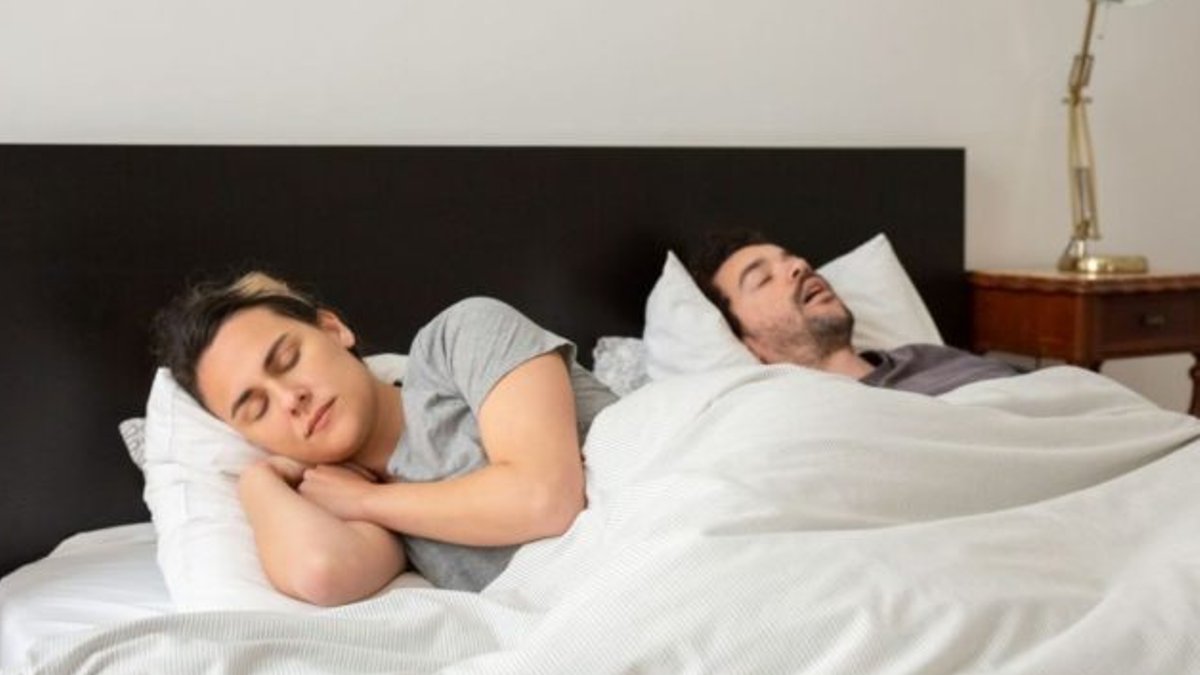
Obstructive sleep apnea affects millions of adults worldwide, disrupting sleep and straining the heart. This disorder occurs when the upper airway repeatedly collapses during sleep, blocking breathing. The brain forces a brief awakening to reopen the airway, often without the person realizing it. This cycle can happen dozens of times per hour.
How the Condition Develops
During normal sleep, throat muscles relax, which narrows the airway. This often causes snoring as tissues vibrate. In sleep apnea, the airway narrows or closes completely, stopping airflow. The body struggles to breathe, and oxygen levels drop. The brain senses this danger and triggers a micro-awakening to restore breathing. This leaves the person exhausted despite spending hours in bed.
Research shows that nearly one billion adults aged 30 to 69 have mild to severe obstructive sleep apnea. Obesity is a major risk factor, as excess tissue around the neck can collapse the airway. A 2025 study of over 12,800 adults in the U.S. and Switzerland found that three-quarters of participants with obesity had some form of the disorder. However, the condition also affects people who are not overweight due to anatomy, age, or genetics.
Men are more likely to develop sleep apnea, partly because their airways are naturally narrower. Women face increased risk after menopause due to hormonal changes. As people age, muscle tone in the throat decreases, raising the likelihood of obstruction.
Why It Matters for Health
The repeated drops in oxygen and fragmented sleep take a significant toll on the body. Every breathing pause triggers a stress response that temporarily spikes blood pressure. Over time, this strains the cardiovascular system and increases the risk of high blood pressure, heart disease, and stroke. The condition is also linked to irregular heart rhythms and heart failure.
Beyond heart health, obstructive sleep apnea is associated with metabolic issues. The oxygen deprivation can interfere with the body’s ability to regulate blood sugar, increasing the risk of type 2 diabetes and insulin resistance. The constant fatigue also affects mental health, contributing to depression and anxiety. These neurological effects can impair concentration and memory, making daily tasks more difficult.
People with the disorder often wake up feeling unrefreshed despite spending eight hours in bed. Common symptoms include excessive daytime sleepiness, morning headaches, and a sore throat. If a partner reports gasping or choking sounds, it may indicate a serious case of apnea.
Doctors diagnose the condition through a clinical evaluation and a sleep study. During a polysomnography test, sensors monitor breathing, oxygen levels, and muscle activity overnight. The apnea-hypopnea index (AHI) measures the number of breathing interruptions per hour. An AHI below 5 is normal, while 5 to 14.9 indicates mild apnea, 15 to 29.9 is moderate, and 30 or more is severe.
Treatment options depend on the severity and cause of the disorder. Lifestyle changes, such as weight loss and quitting smoking, can improve symptoms. For many, a CPAP machine provides the most effective relief by keeping the airway open with pressurized air. Oral appliances or surgery may help those who cannot tolerate other treatments.
Treatments and Myths
The most common method for treating sleep apnea is a CPAP machine. This device uses a mask to deliver pressurized air, which keeps the airway open. A review of clinical trials found that CPAP reduces breathing interruptions by an average of 18.1 events per hour compared to control groups. Another option is an oral appliance, such as a mandibular advancement device. This is a custom-made mouthpiece that pushes the lower jaw forward to help maintain an open airway.
Studies show that using these devices for at least one year can reduce interruptions by an average of 16.8 events per hour. For those who cannot tolerate these options, surgery may be necessary. Surgical procedures can remove or shrink excess tissue or reshape the jaw to create more space for breathing. An implanted device called hypoglossal nerve stimulation is also available for specific cases.