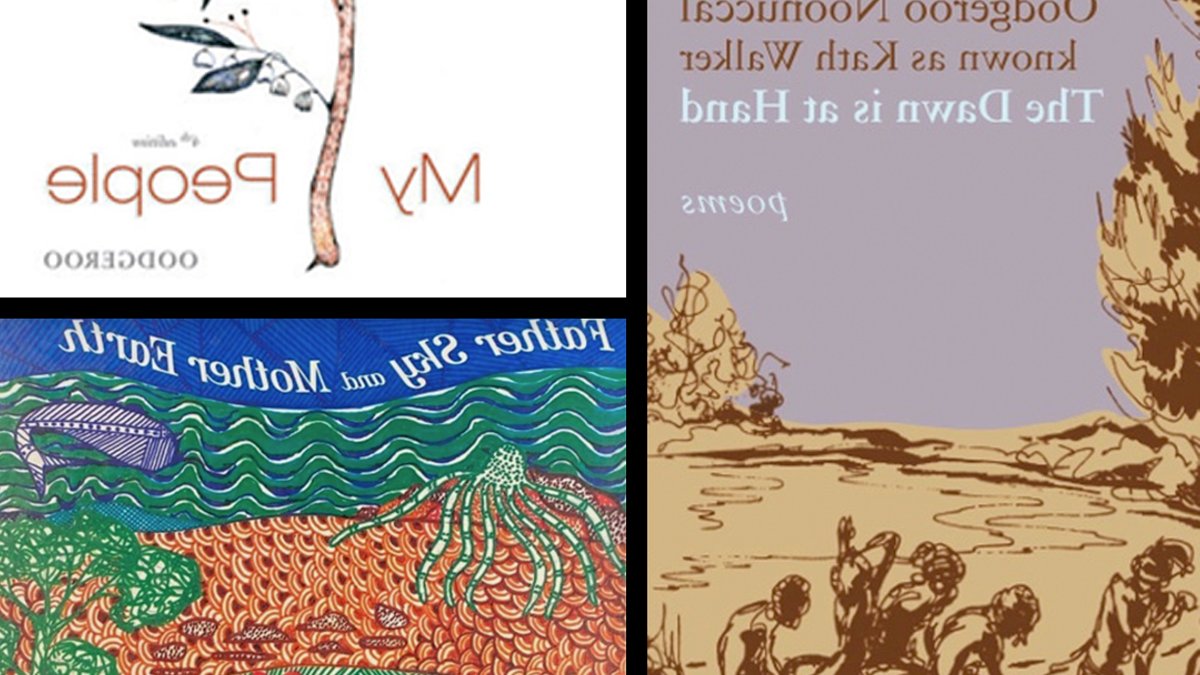
Oodgeroo Noonuccal, a renowned Indigenous Australian poet, used her writing as a tool for resistance against oppressive systems. According to Dr Tess Ryan and Kelly Humphrey, Oodgeroo was the first Indigenous woman in Australia to use poetry as a political tool, and her work exemplifies the ongoing practices of “writing as resistance”.
She was born in 1920 in the Brisbane suburb of Bulimba to an Aboriginal man of Noonuccal descent and an Aboriginal and Scottish mother. Oodgeroo had limited education, but she could read and enjoyed writing. During World War II, she worked as a signaller for the army and performed administrative duties, becoming a Lance Corporal in 1943.
Oodgeroo’s early life was marked by challenges, but she found solace in writing. She joined the Brisbane Realist Writers Group, a collective of left-wing authors founded in 1944. The poet Judith Wright recommended Oodgeroo’s work, and her debut collection We Are Going appeared in 1964.
It was the first ever book of poetry published by an Aboriginal person. Her verses are full of anger, sadness, and resilience as they look to the future.
Related: Europe labels climate crisis a security threat as fires rage
Oodgeroo’s poetry is characterized by its strong connection to the natural world. Her poem A Song of Hope begins: Look up, my people, / The dawn is breaking, / The world is waking, / To a new bright day. The poem traverses space and time, from “our father’s fathers” to “our children’s children”, in a way that brings us back to the desire to push for more, for better.
Oodgeroo was proud of being a protest poet and broke new ground in Australia, using poetry for political protest at a time when it was meant to be for art’s sake. She used her public recognition and her identity as a protest poet to campaign for the 1967 constitutional referendum to enfranchise Indigenous Australians, which was a significant referendum in Australian history.
Oodgeroo’s legacy extends beyond her poetry. She was the national campaign coordinator of the Federal Council for the Advancement of Aborigines and Torres Strait Islanders and co-founded the National Tribal Council.
Today, Oodgeroo’s work continues to inspire a new generation of First Nations writers and creatives. Her poetry and activism have created a legacy that will continue to be built upon by First Nations’ writers and creatives. Dr Tess Ryan and Kelly Humphrey note that Oodgeroo’s life and work demonstrate the power of creative expression as a tool for resistance against oppressive systems.
Related: Wisconsin Voters Begin Casting Ballots in Chaotic Governor Race
Oodgeroo’s writing has also had a significant impact on the literary arena, with many First Nations writers now flourishing in Australia.
In the context of National Aboriginal and Torres Strait Islander Children’s Day, Oodgeroo’s children’s book Father Sky and Mother Earth is a timely reminder of the importance of storytelling and the power of creative expression, especially for children to learn about their heritage.
As we reflect on Oodgeroo’s life and work, it is clear that her legacy will continue to inspire and empower future generations of First Nations writers and creatives. Her commitment to using her writing as a tool for resistance against oppressive systems is a powerful reminder of the importance of creative expression in bringing about change.
They will continue to draw inspiration from Oodgeroo’s work.