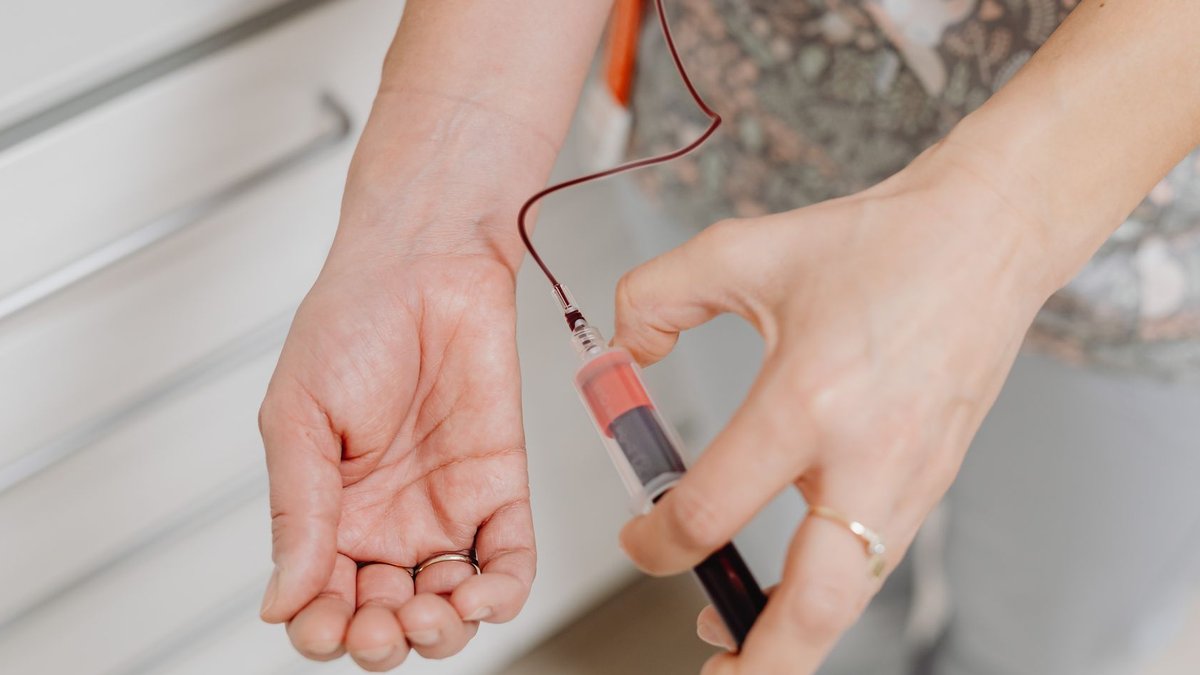
A diagnosis of polycythemia vera (PV) typically starts with therapeutic phlebotomy, a procedure distinct from standard blood donation. This treatment removes roughly a pint of blood at scheduled intervals to lower hematocrit—the proportion of red blood cells in circulation—below 45%. The procedure aims to thin the blood and mitigate the risk of dangerous clots, a frequent complication in PV patients.
Dr. Jennifer Woo, a hematologist at City of Hope Orange County, clarifies that phlebotomy does not cure the condition but helps control symptoms and clot risk. “Although it may seem like donating blood, it’s not the same thing. Unlike blood donation, it is prescribed based on lab results, and the blood is not used for transfusion,” she explained. The frequency of sessions varies: some patients begin with treatments every few weeks until their hematocrit stabilizes, while others eventually require phlebotomy only a few times annually.
When patients need phlebotomy three or more times a year, physicians often reassess whether the approach alone suffices. Woo explains that this frequency may indicate inadequate disease control, suggesting the need for medication. However, she notes that this guideline is flexible, as treatment decisions also consider side effects, patient tolerance, and daily life impacts.
Iron deficiency risks from frequent phlebotomy
One common consequence of repeated phlebotomy is iron deficiency. Since red blood cells contain iron, frequent blood removal can deplete stores over time. Symptoms like fatigue or worsening exhaustion may signal low iron levels, prompting doctors to check ferritin, a blood test measuring stored iron. If levels fall too low, supplements or dietary changes may be necessary.
When phlebotomy alone proves insufficient, medications become part of the management plan. The choice depends on individual risk factors, including hematocrit levels, clot history, spleen enlargement, and symptoms. Common options include:
- Hydroxyurea, a daily oral medication that lowers blood cell counts and reduces clot risk, requiring regular blood tests to monitor effectiveness.
- Ropeginterferon alfa-2b (Besremi), an injection administered every two weeks to control abnormal blood cell production; if stable for a year, dosing can shift to every four weeks.
- Ruxolitinib (Jakafi), approved for PV patients unresponsive to hydroxyurea, targeting pathways overactive in blood cancers and taken twice daily.
- Rusfertide (Mimrylo), a once-weekly injection approved in 2026 to reduce the need for frequent phlebotomy in select patients.
Most patients also take low-dose aspirin, 80 to 100 milligrams daily, to further lower clot risk by preventing platelet clumping. While side effects like stomach upset or heartburn are possible, they are generally manageable.
Medications and clinical trials for uncontrolled symptoms
For patients whose symptoms remain uncontrolled, clinical trials offer an alternative path. These studies evaluate new drugs or dosing strategies, sometimes providing access to treatments not yet widely available. Eligibility depends on specific criteria, and healthcare providers can help identify local opportunities.
Treatment schedules differ significantly among patients. Phlebotomy appointments may last an hour or longer, including check-in and lab work, while injections often require initial clinic visits. Medications taken at home still demand regular blood tests to adjust doses or switch therapies. Patients should discuss appointment frequency, virtual visit options, and protocols for missed doses or appointments with their doctors.
The financial burden of PV treatment varies based on insurance coverage and location. Some medications fall under prescription drug benefits, while others may be billed through medical services if administered in a clinic. Pharmacies can provide cost estimates, and manufacturer copay cards or generic alternatives may reduce out-of-pocket expenses. For those facing financial challenges, financial counselors or patient advocates at treatment centers assist in handling assistance programs.
PV management extends beyond medical treatments, often involving caregivers who handle appointments, monitor symptoms, or adjust household tasks as patients’ energy levels fluctuate. Kimberly N. Kent, an oncology psychologist, highlights that fatigue or side effects can disrupt work, errands, or family responsibilities. Open communication with caregivers about expectations and realistic support can ease adjustments. Virtual support groups for myeloproliferative neoplasms (MPNs) also offer shared strategies and emotional relief.