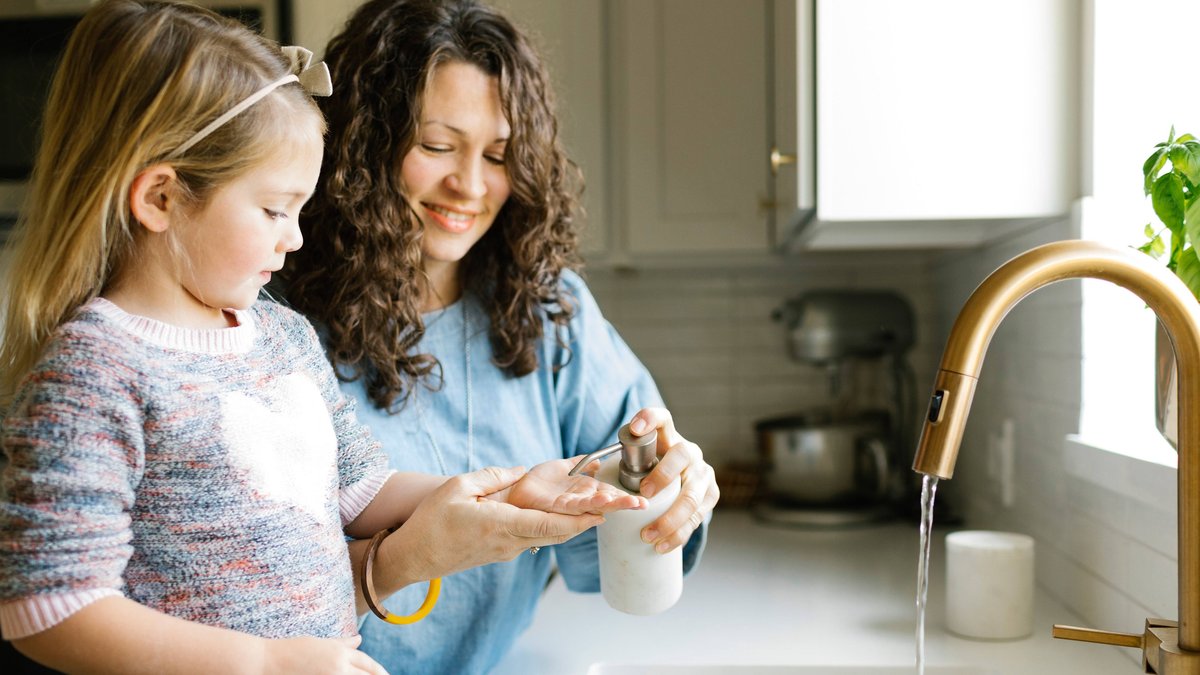
Global Handwashing Day, observed on October 15, emphasizes how routine hand hygiene curbs the spread of respiratory illnesses during their seasonal peaks. When people cough, sneeze, or blow their noses, germs from respiratory droplets remain on their hands. Washing thoroughly removes those pathogens before they can infect others or the person themselves.
Dr. Summer Allen, a family physician at Mayo Clinic, stresses that proper technique requires washing for at least 20 seconds with warm water and soap. This includes scrubbing between all fingers, under nails, and across every surface of the hands. Such thoroughness prevents not only respiratory infections but also gastrointestinal illnesses like diarrhea. “It can prevent illnesses such as diarrhea/GI and/or respiratory bugs,” she says.
Effective handwashing works best when paired with other health habits. Adequate sleep, a balanced diet, and regular visits to a primary care provider all contribute to overall resilience. Dr. Allen recommends discussing immunization options with a clinician to customize protection based on individual health needs.
Many people make critical errors that weaken their hygiene efforts. They often overlook key areas like between fingers or under nails, or they wash for less than the full 20 seconds. Another frequent mistake involves using a just-washed hand to turn off the faucet, reintroducing germs. When soap and water are unavailable, hand sanitizer containing at least 60% alcohol serves as a suitable alternative.
The correct handwashing process begins by wetting hands under clean, running water. Soap should be applied and lathered over all surfaces, palms, backs of hands, wrists, between fingers, and under nails, for a minimum of 20 seconds. After rinsing, a clean towel should be used to turn off the faucet and dry the hands completely. These steps ensure germ removal is thorough.
While handwashing alone reduces infection risks, its effectiveness relies on broader health habits. Illness often disrupts sleep and nutrition, creating a cycle that lowers resistance. Dr. Allen highlights that hand hygiene ties closely to protecting against illnesses that interrupt sleep and proper eating, impacting overall wellness. The key lies in making these simple steps a consistent part of daily life, especially during high-risk periods.