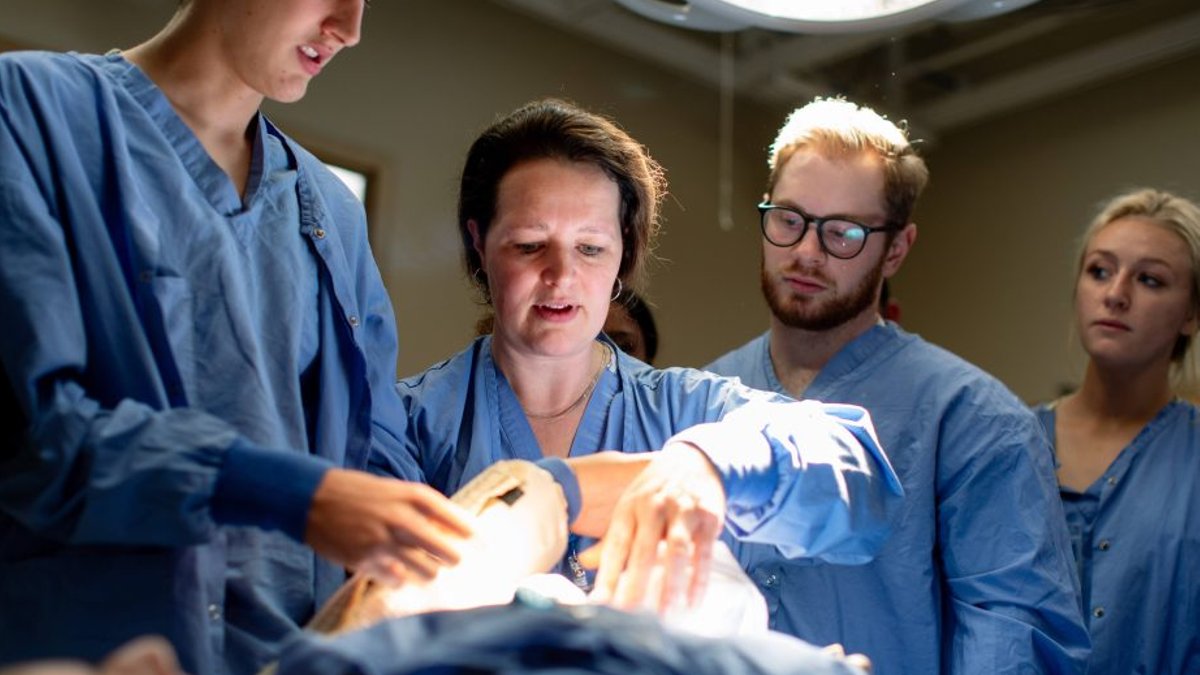
Mayo Clinic launched a training program for surgical first assistants that now stands as the state’s first formal pathway. Since its start in 2012, the initiative has graduated 170 professionals, creating a new source of qualified staff for operating rooms that were experiencing a growing workforce shortfall.
Program growth and outcomes
The effort began within the Mayo Clinic School of Health Sciences, offering a structured curriculum that welcomes both internal staff and external candidates who seek certification. Coursework blends classroom instruction, hands-on simulation, and supervised clinical rotations, providing a full learning experience.
Program records show a 93% completion rate. Among those who finish, 85% accepted positions at Mayo Clinic, strengthening the institution’s internal staffing pipeline and reducing reliance on external hires.
Recent cohorts achieved a 100% pass rate on the Certified Surgical Assistant exam, reflecting the program’s strong preparation methods. Graduates demonstrate the knowledge and skill set required to meet certification standards without additional remedial training.
Many participants start their careers as Mayo employees, allowing them to shift into more specialized roles without leaving the organization. This internal mobility supports career development while preserving institutional knowledge.
Impact on surgical teams and patient care
Surgical first assistants play a vital role in supporting surgeons before, during, and after procedures. Their duties include patient preparation, intra-operative assistance, and coordination tasks that help streamline team workflows and improve efficiency.
“Certified surgical assistants fulfill a critical need, providing expert help and assistance to surgeons,” says Mark Sawyer, M.D., medical director of the Surgical First Assistant Program.
Alumni such as Allison Henning now work in operating rooms, describing the role as fast-paced and rewarding while allowing her to maintain a healthy work-life balance.
Another graduate, Kenzie Fiedler, moved from Emergency Services into the surgical arena, gaining the technical training required for direct patient involvement.
According to program officials, Dr. Sawyer says, “We know these individuals. We know how they’ve performed. We know they understand the Mayo culture and our expectations.” This gives people a path to do something more with their career.
The continued output of qualified assistants is intended to sustain surgical capacity at Mayo Clinic. By keeping operating rooms staffed with skilled personnel, the institution aims to meet current patient needs and anticipate future demand.