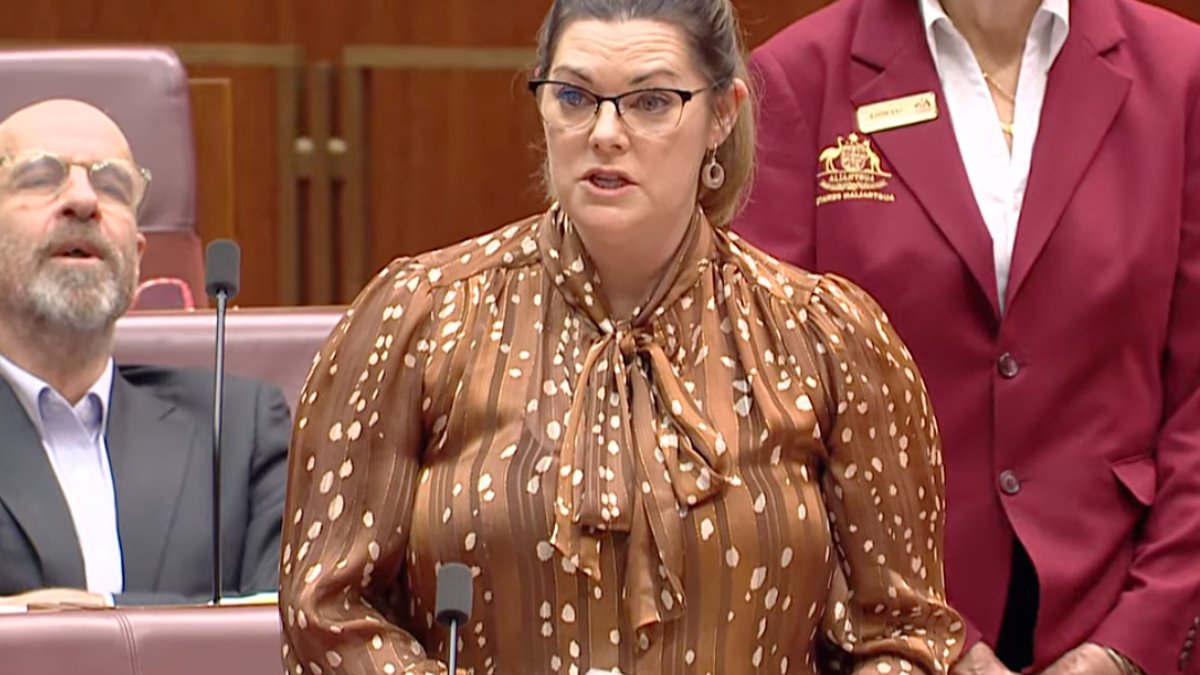
The debate over voluntary assisted dying (VAD) has moved to the Senate, with Greens Senator Sarah Hanson-Young introducing a bill to change the law and allow VAD to be accessed via telehealth. According to the report, this reform would remove an outdated and harmful barrier to access for medically supported voluntary assisted dying.
Senator Hanson-Young knows how difficult it is to access specialist care in regional areas. She believes giving people the opportunity to use telehealth to inform and provide advice and care is the right thing to do.
The current law is based on provisions in the Commonwealth Criminal Code originally introduced to address online suicide-related activity, but these provisions have been interpreted as applying to lawful VAD communications.
This means doctors cannot use phone, email, internet, or video communications for aspects of VAD care without potentially breaching Commonwealth law. Go Gentle Australia chief executive Dr Linda Swan says updating the Criminal Code to allow telehealth in VAD is straightforward, inexpensive, and long overdue.
The Australian Medical Association (AMA) has also backed removing the Commonwealth barrier, arguing the issue is one of equitable access rather than changing the safeguards around VAD. They say it would allow people who already meet those requirements to access parts of the process without unnecessary barriers created by geography.
Related: Trump’s health policies spark nationwide backlash
Patients may face long travel distances to access trained practitioners, while workforce shortages can make it difficult for rural communities to access specialist services. Advocates argue the proposed reform is not about making VAD less regulated, but about ensuring that people who are eligible for VAD are not disadvantaged because of where they live.
Health Minister Mark Butler has expressed concerns about the use of telehealth for VAD, saying questions about appropriate safeguards remain central to the Government’s position.
Proponents of the reform argue that Australia has the strictest safeguards around using Voluntary Assisted Dying, and these safeguards will continue whether a patient sees the doctor in person or via telehealth. Senator Hanson-Young has made a strong call to parliamentary colleagues to act with compassion, empathy, and care.
It is time to fix what is a fundamentally unfair, unjust, and cruel law, and allow all Australians to have a choice for their end-of-life care. The legalization of VAD has already occurred, and the remaining question is whether access to the system should depend on geography.
When the Senate resumes, many health advocates will be watching the next stage of the debate and the prospects for the Greens bill. They will be waiting to see if the Government will support the reform or continue to argue that implementation questions require further consideration.