Mediators reported progress in reviving talks between the United States and Iran on Monday after both sides halted attacks that had raised fears of a broader war.
Ceasefire pause follows two weeks of strikes
For three days neither Washington nor Tehran claimed responsibility for any attacks, ending a stretch of continuous bombardments that began after Iran fired at vessels in the Strait of Hormuz. The lull came after the United States paused its own strikes on Iranian coastal installations, a move that U.S. ambassador to the United Nations Mike Waltz said was intended to give diplomacy “some space.”
During the pause, Saudi Arabia said it shot down drones launched by Iran‑backed militias in Iraq that were aimed at its petroleum facilities. In Yemen, Houthi rebels claimed to have hit Saudi oil installations, though it was unclear whether the claim referred to the same incident.
Related: Beltrán Jones Kent Honor Home and Family
Two separate drone attacks were reported against a Kurdish Iranian dissident group in Iraq, and Jordan announced it had intercepted two drones without specifying their origin. No casualties or significant damage were reported in any of these incidents.
Regional officials describe mediation as “significant”
Anonymous officials who attended closed‑door talks said Qatar and Pakistan are leading efforts to bring Washington and Tehran back to an interim ceasefire that collapsed after the recent exchange of fire. One official called the progress “significant,” noting that mediators are also working with Iran and Oman on a mechanism to manage vessel traffic through the Strait of Hormuz.
Iran’s foreign ministry spokesperson, Esmail Baghaei, told a news conference that “mediators may convey messages to us from the American side,” but he added that direct negotiations had not yet begun. He said Iran and Oman had already discussed how to handle ship movements in the waterway, emphasizing the need to protect Iranian security interests while respecting the sovereignty of both coastal states.
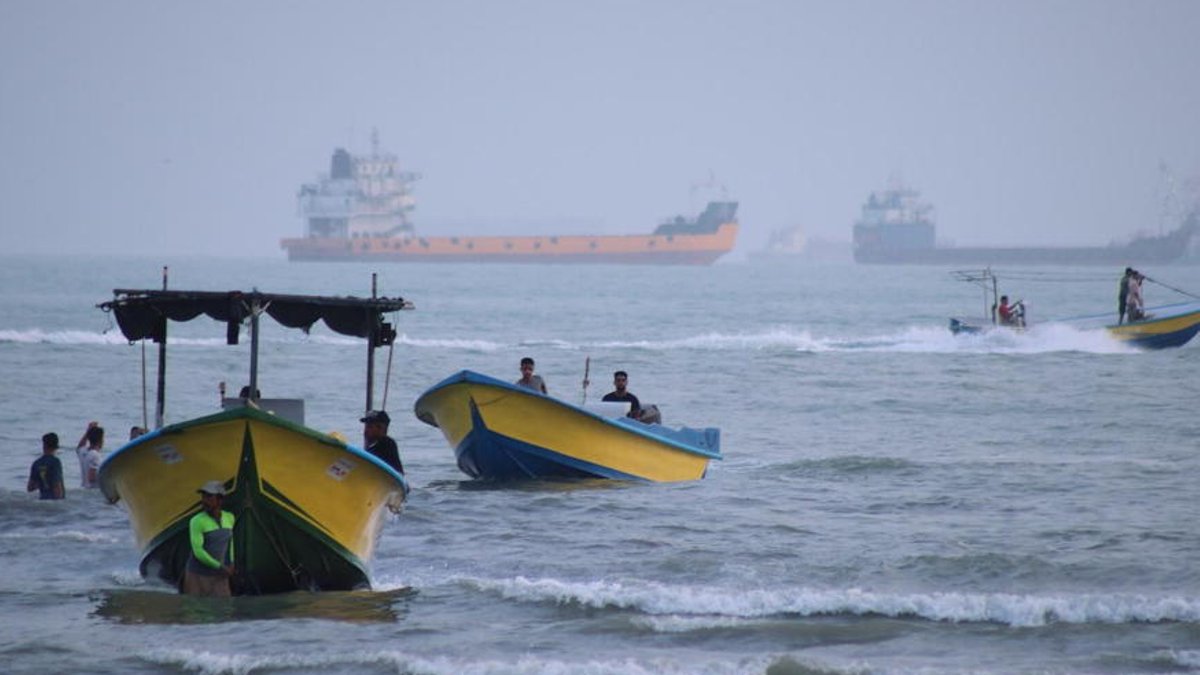
The Strait of Hormuz remains closed to commercial traffic, according to Tehran, which argues that the interim deal with the United States allows it to manage shipping and potentially levy fees. The United States, meanwhile, continues a naval blockade that has redirected a dozen commercial vessels and boarded two of them.
Related: Transform Your Confidence: Discover What Makes a Top Laser Hair Clinic Stand Out
While the immediate ceasefire holds, the underlying issues—particularly Iran’s nuclear program and the disputed status of the Strait of Hormuz—remain on hold as mediators focus on keeping dialogue alive.
The next weeks will likely test whether the current diplomatic momentum can translate into a more durable arrangement, or if renewed hostilities will resume once the pause ends.
The ceasefire remains fragile.