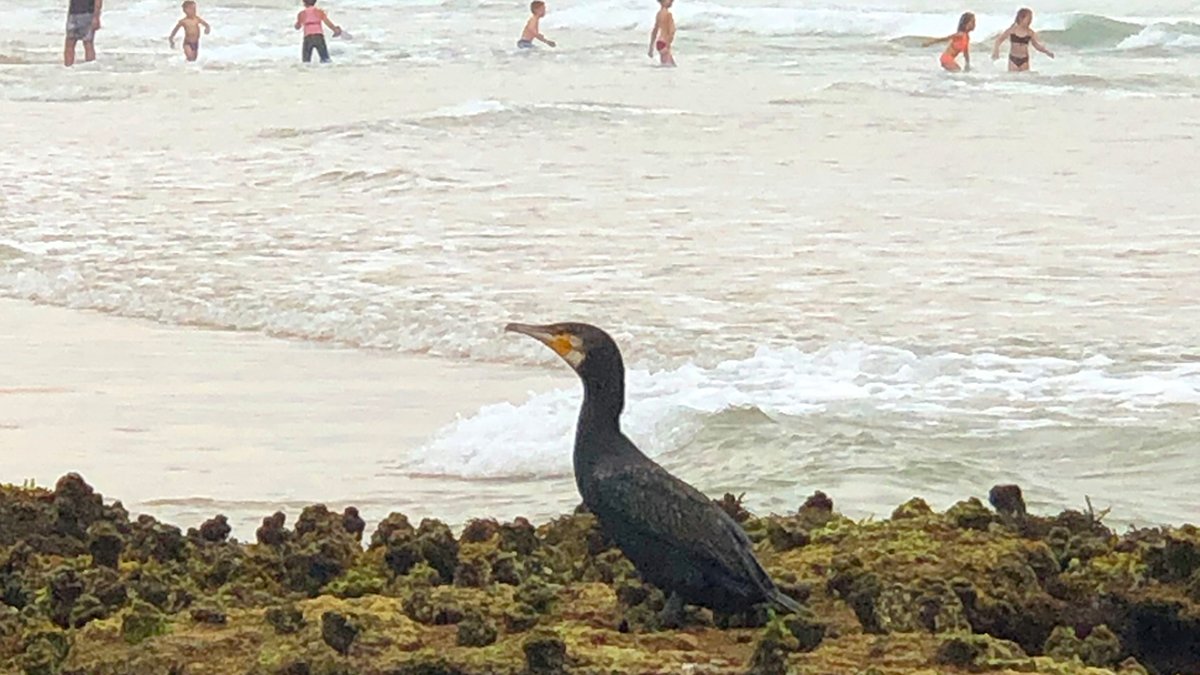
Australia faces severe ecological and economic consequences from a bird flu outbreak that could exceed the damage caused by the 2019-20 bushfires.
The highly pathogenic H5N1 strain, clade 2.3.4.4b, has been found in 175 confirmed detections across five states, with South Australia recording the highest number of cases. While no commercial poultry farms have reported infections, many producers have imposed lockdowns as a preventive measure.
Wildlife and cultural losses mount
The virus endangers iconic species such as emus, cockatoos, and native parrots, along with birds significant to First Nations communities, including mutton birds and magpie geese. Mammals like penguins, sea lions, seals, and the Tasmanian devil are also at risk, with potential mass die-offs threatening already vulnerable populations.
Marine mammals and land scavengers, including the eastern quoll, face similar dangers.
Related: Bail laws hurt public health and safety
The crisis extends beyond ecology. The loss of beloved species, such as pelicans in South Australia’s Coorong—where the film Storm Boy was filmed—will have emotional repercussions. Wildlife carers, Indigenous Rangers, and communities with deep cultural ties to these animals are preparing for widespread distress.
Communities that rely on these species for food, ceremony, or livelihoods will feel the absence long after the virus subsides. Adaptation will be necessary as losses become inevitable.
Economic and food security risks
Epidemiologist Professor Raina MacIntyre warns that the outbreak may disrupt food production, particularly in poultry farming, leading to culls and quarantine zones. Eggs and chicken, key affordable protein sources, could become scarcer or more expensive if the virus spreads to commercial flocks.
Human health and preparedness gaps
Though the virus poses little direct risk to humans, global cases—mainly among farm workers—have raised concerns. High-risk groups include poultry workers, wildlife carers, and migrant workers who may lack access to protective measures or health information. Aboriginal and Torres Strait Islander communities, whose cultural practices involve close contact with wildlife, are also considered vulnerable.
The Australian Centre for Disease Control has not issued a public statement since July 10, when it confirmed an H5 infection in a non-migratory tern. When asked about preparedness, the agency provided a general response emphasizing collaboration between governments, health agencies, and communities.
Related: Weather and Politics Impact Public Health
The federal government maintains a stockpile of pre-pandemic vaccines and antivirals, though exact quantities remain undisclosed. Deployment would target priority groups, such as those at higher exposure risk, guided by health authorities. A 2024 commitment of $22.1 million aims to strengthen preparedness, including vaccine stockpiles and onshore manufacturing capacity through CSL Seqirus.
Vaccination debates and Indigenous Ranger calls
New Zealand’s decision to vaccinate rare birds has sparked discussion in Australia. Dr. Jane Younger, a marine studies lecturer, supports targeted vaccination of threatened species, arguing that waiting for mass die-offs is not an option. Australia’s policy permits emergency vaccination for protected birds, but the government has not specified which species will receive priority.
Professor MacIntyre remains cautious, citing France’s experience where poultry vaccines were only partially effective. Finland has begun vaccinating farm workers, though no human H5N1 vaccine is currently available in Australia.
Indigenous Rangers, who manage land and sea country, are calling for urgent funding to address the outbreak. Nathan Brennan, a Senior Partner Support at Country Needs People, emphasized the cultural importance of at-risk species. “When Country is sick, we are sick,” he said.
The group has urged the government to allocate $200 million to remove invasive predators and create predator-free refuges on islands, giving wildlife a chance to recover.
Related: Firms Seek Partners for AI and Cloud
Coordination and long-term solutions
Biostatistician Professor Adrian Esterman praised federal and state efforts but stressed the need for a unified national approach. During COVID-19, inconsistent policies across jurisdictions created confusion, and he hopes for standardized quarantine and culling measures this time.
Former Chief Medical Officer Professor Paul Kelly advocates for a One Health approach, integrating human, animal, and environmental health. He noted that Aboriginal and Torres Strait Islander communities have long recognized this connection, warning that ignoring it risks further crises.
Patrick O’Leary, CEO of Country Needs People, criticized Australia’s reactive crisis responses, arguing that long-term investment is needed to address cumulative pressures like climate change and habitat loss. “We must move beyond the idea of an immediate response followed by a return to normal,” he said.
Authorities face increasing pressure to address testing backlogs, disposal plans for dead animals, and vaccination strategies as reports of infected birds rise. With the virus spreading rapidly, time is running out for wildlife and the communities that depend on them.