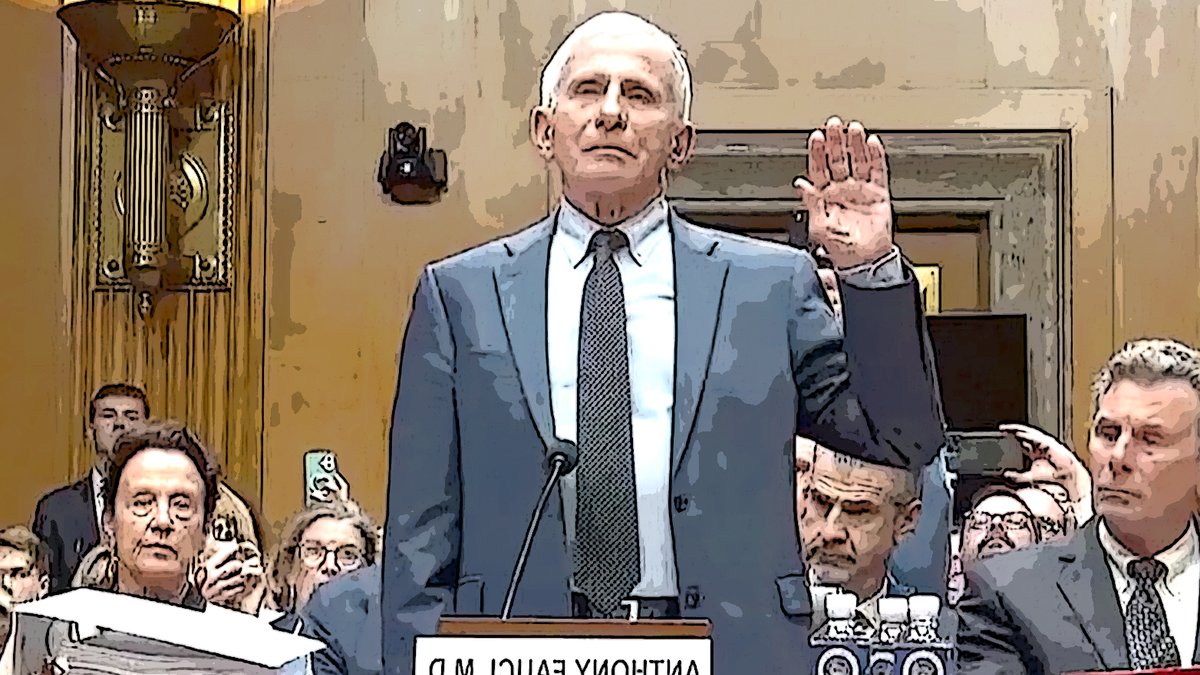
The accusation that Fauci helped enable the COVID-19 pandemic through US-funded research in Wuhan, China, and then participated in a coordinated cover-up has been a central focus of his opponents. This narrative claims that he misled Congress to conceal a connection to the lab and suppressed the laboratory-leak explanation. US Senator Rand Paul has repeatedly called for Fauci’s prosecution, but a wider network of Republican politics has also amplified the conspiracy narrative.
Fauci has denied claims of wrongdoing. In January 2025, President Joe Biden granted him a preemptive pardon covering potential federal offenses related to his government service since 2014. The legal standoff represents the culmination of a process where conspiracy theories have moved into the formal machinery of government. Art Jipson, a sociologist and associate professor, argues that the spectacle says more about what happens when conspiracy theories become embedded in political institutions than it does about the origins of COVID-19.
Related: Jacinta Allan lauded for Treaty and women’s health
Conspiracy theories do not simply explain events, they identify villains – and Fauci has become one of the most popular in this particular story. In the years since the pandemic, US Senator Rand Paul and others have accused Fauci of many things, but the central conspiracy accusation is that he helped enable the COVID-19 pandemic through US-funded research at a lab in Wuhan, China, and then participated in a coordinated government-scientific cover-up, misleading Congress to conceal that connection and suppress the laboratory-leak explanation. Dr Anthony Fauci invoked the Fifth Amendment and declined to answer questions from a Senate committee more than 100 times on 29 July, 2026.
COVID-19 created the conditions in which conspiracy theories flourish: enormous uncertainty, frightening consequences, rapidly changing information, and distrust of institutions. People wanted explanations for why the virus appeared in Wuhan, why recommendations about masks changed, and how vaccines were developed so quickly. These legitimate questions became connected to a predetermined conclusion: Powerful people either created the pandemic or concealed the connection to the lab. A 2021 survey by the Public Religion Research Institute illustrates how widespread this thinking was; about four in 10 Americans agreed that the coronavirus had been intentionally developed by scientists in a laboratory. Among QAnon believers, the figure was dramatically higher, at 85 percent. The result was a broader worldview in which institutions, experts, and government officials are presumed to be acting deceptively.