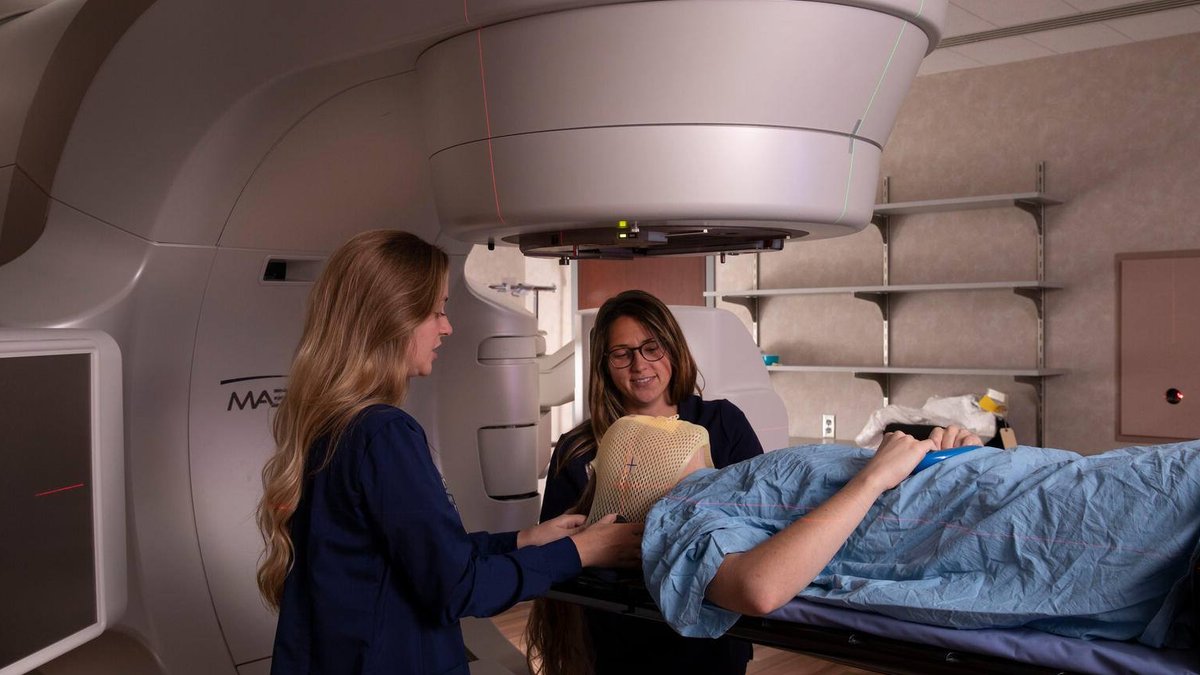
Mayo Clinic is testing whether low-dose radiation could slow Parkinson’s disease by reducing brain inflammation. The trial marks the first time researchers have explored this approach for early-stage patients without a genetic cause.
Why inflammation matters in Parkinson’s
Parkinson’s disease destroys dopamine-producing brain cells over time, causing tremors, stiffness, and balance issues. Current treatments focus on symptom relief, but inflammation appears to accelerate cell loss. Studies suggest it plays a role across different forms of the disease, even though Parkinson’s is not a single condition.
Researchers are targeting areas of the brain linked to inflammation rather than the entire organ. Unlike cancer treatment, which uses high doses to destroy tissue, this study uses minimal exposure—just enough to potentially calm inflammatory responses without damaging healthy cells.
“Instead of treating the symptoms patients experience, we’re investigating whether low-dose radiation can affect one of the underlying biological processes associated with the disease and therefore slow the worsening of symptoms,” said Yasamin Sharifzadeh, the trial’s lead investigator.
The trial is limited to patients ages 45 to 75 with early-stage Parkinson’s. Participants receive five daily treatments of 10 to 15 minutes each, with follow-ups at six hours, three months, six months, and a year. Blood tests and brain scans track changes in inflammation, protein buildup, and dopamine levels.
How the study works in practice
Before treatment, each participant undergoes brain imaging to pinpoint inflammation hotspots. The radiation is delivered precisely to those areas, avoiding broader exposure. Blood samples are collected to measure biomarkers, while cognitive and motor function tests assess symptom changes over time.
The 20-person trial is invitation-only and based in Rochester, Minnesota. “The findings could help determine whether this approach should be studied further and add to our understanding of the foundational biological mechanisms in Parkinson’s disease,” said Dr. Sharifzadeh.