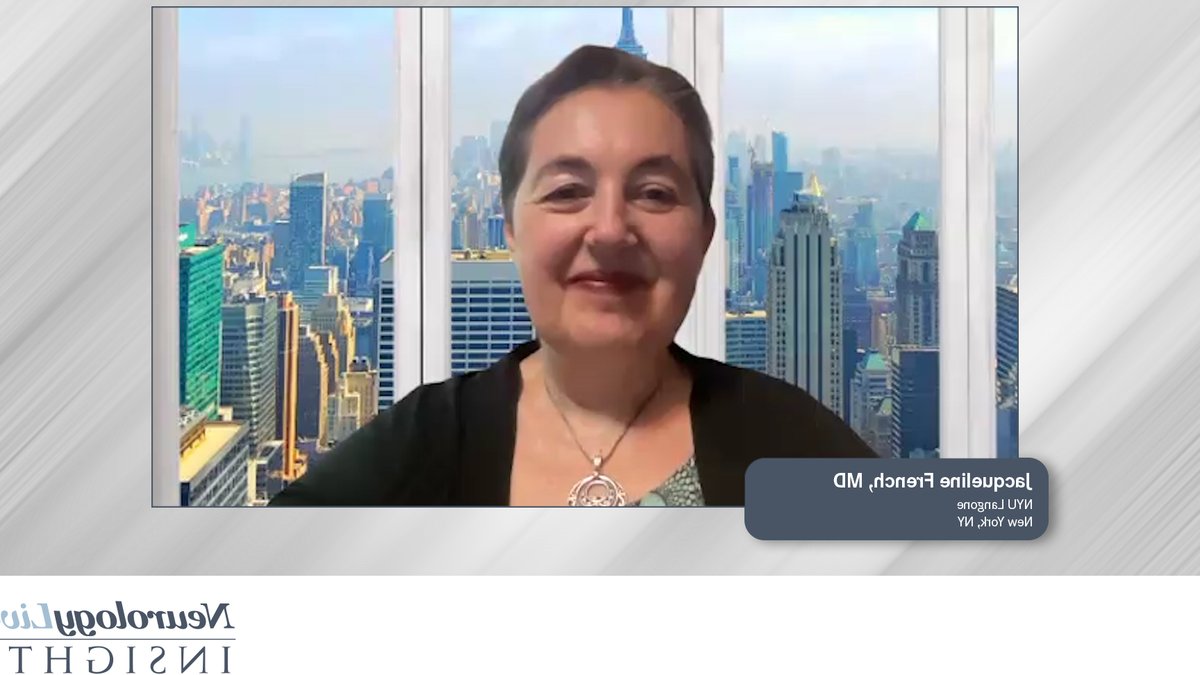
Diagnosing epilepsy starts with a question that is not always easy to answer: Was this event a seizure? Clinicians cannot assume an episode meets the criteria, even if it appears to. The process begins by ruling out whether the event was truly a seizure, whether it indicates epilepsy, and if so, whether the condition is focal or generalized. While tools like EEGs and MRIs have advanced, the most vital tool remains a patient’s detailed medical history.
A full clinical history often provides enough information to refine a diagnosis. For example, the timing, duration, and characteristics of symptoms can indicate whether seizures are focal—originating in one brain region—or generalized, affecting both hemispheres. In some cases, history alone may increase the likelihood of epilepsy or eliminate it as a possibility. This step is often overlooked, yet it can determine whether additional testing is necessary.
When epilepsy is suspected, standard testing follows. Every patient should undergo an EEG and neuroimaging, with an MRI preferred if accessible. The MRI identifies structural abnormalities that may explain seizures, such as tumors, scarring, or malformations. However, in pediatric cases of generalized epilepsy syndromes like absence epilepsy, an EEG alone may suffice, and imaging is not always required.
Read Also: Zorevunersen Shows Adaptive Gains in Dravet Patients
Smartphone videos transform epilepsy diagnosis
Extended EEG monitoring is not always necessary. If the clinical history and initial EEG strongly support a diagnosis, observing a seizure in real time may not alter the outcome. However, when uncertainty remains, about whether the events are seizures, their type, or whether epilepsy is the correct diagnosis, two tools become indispensable. The first is widely accessible: a smartphone. Recording episodes with a mobile device can capture key details that clarify the nature of the events. Research increasingly shows these videos can be diagnostic on their own.
When smartphone footage is unavailable or inconclusive, more intensive monitoring is required. Ambulatory EEG or video EEG may be needed to record seizures that do not occur during routine testing. These methods provide longer recording periods and direct visualization, resolving lingering doubts.
The challenge in diagnosis extends beyond confirming epilepsy, it involves classifying it accurately. Focal epilepsy, for instance, often requires different treatment than generalized epilepsy. Incorrect classification can lead to ineffective therapies or unnecessary risks. The objective is not only to identify the condition but to tailor management based on its type and underlying cause.
Balancing tests with clinical judgment
Clinicians face the task of balancing thoroughness with efficiency. Overtesting can delay treatment, while undertesting risks misdiagnosis. The solution lies in matching the level of testing to the degree of uncertainty. A clear history may reduce the need for prolonged monitoring, while ambiguous cases demand more rigorous evaluation. The tools, EEGs, MRIs, smartphone recordings, and advanced monitoring, are widely available, but their use must be guided by clinical judgment.
Read Also: Valbenazine Improves Quality of Life in Tardive Dyskinesia
Smartphone videos have become an important but unexpected resource in epilepsy diagnosis. The observation that “everyone has half of a video EEG monitoring unit in their pocket” highlights how smartphones have simplified seizure recording. Families can now capture events in real time, providing clinicians with visual evidence that was previously harder to obtain. This change has reduced reliance on costly, time-consuming monitoring in some cases.
Yet not every diagnosis can be made from a video alone. Some seizures are subtle or infrequent, requiring extended EEG recordings. Video EEG, which combines continuous monitoring with direct observation, offers the most definitive answers when other methods fail. The decision to pursue these tests depends on the remaining uncertainty after initial assessments.
Epilepsy diagnosis is not a uniform process. It adapts to a patient’s symptoms, medical background, and the clarity of their presentation. The most effective approach combines clinical judgment with the right combination of tools, whether a detailed history, EEG, MRI, or smartphone recording. The aim is not just to confirm epilepsy but to understand it thoroughly enough to develop effective treatment plans.