A writer who recently entered their 30s has adopted three new habits that support brain health. The goal was to try new hobbies and habits that are fun and supportive of overall health. This year, the writer picked up crocheting, sculling, and taking a creatine supplement, all of which happen to be good for the brain and body.
Crocheting as a Brain-Healthy Habit
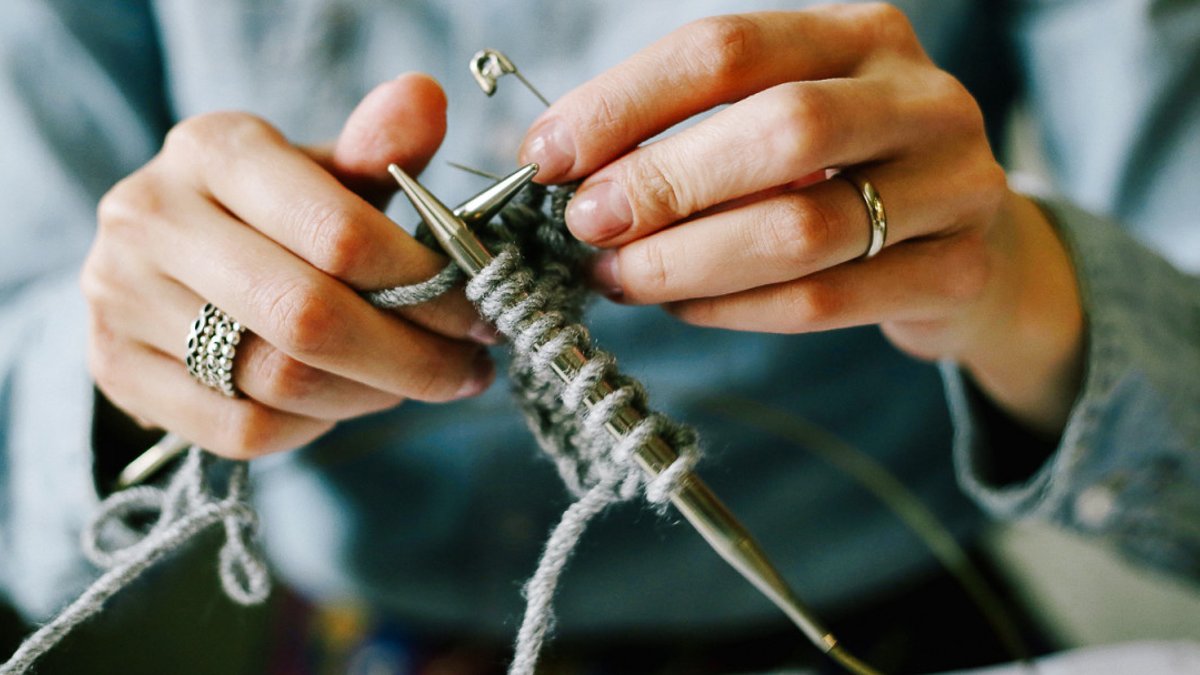
Crocheting, a hobby often associated with older generations, has become increasingly popular among people of all ages. The writer was drawn to crocheting as an indoor activity for the winter that didn’t involve screens. With the help of online tutorials, the writer was able to finish their first project, a baby blanket, after just one quick session with a friend.
Research has shown that crocheting can have cognitive benefits. A small study found that a single crochet session improved certain measures of attention in experienced crocheters, with brain imaging revealing changes in functional connectivity between brain regions. The writer finds crocheting to be a perfect activity to unwind after a day of work, requiring a surprising amount of concentration and coordination.
Sculling as a Full-Body Workout
The writer, who lives in Boston, had always been intrigued by sculling on the Charles River. This summer, they finally tried it through a learn-to-scull program that teaches complete beginners the foundations of rowing. Sculling is a form of rowing where each person uses two oars, one in each hand, rather than sharing a set of oars with a team.
Sculling requires both physical effort and mental focus. The writer had to constantly adjust their balance, coordinate their arms and legs, and pay attention to their technique and surroundings. This unique combination of movement, concentration, and coordination keeps the brain engaged while the body works. The writer rowed for three months this summer and is looking forward to picking it back up in the spring.
Taking a Creatine Supplement
The writer has taken creatine for years to support muscle health and strength but recently started paying closer attention to the research on creatine and the brain. Creatine supplementation may support brain energy metabolism and cognitive function, prompting the writer to try a creatine product that combines 5 grams of creatine monohydrate with 500 milligrams of Cognizin citicoline.
The writer started taking the supplement daily and noticed an improvement in their afternoon mental slump by day three. They felt more alert and could stay focused on their work without needing another cup of coffee. The writer loves having a creatine product in their routine, which has also helped them build more muscle from their workouts.