Radiology is leading medicine’s shift into artificial intelligence, but the shift is less about replacing doctors and more about rethinking how they learn, what data they trust, and who decides.
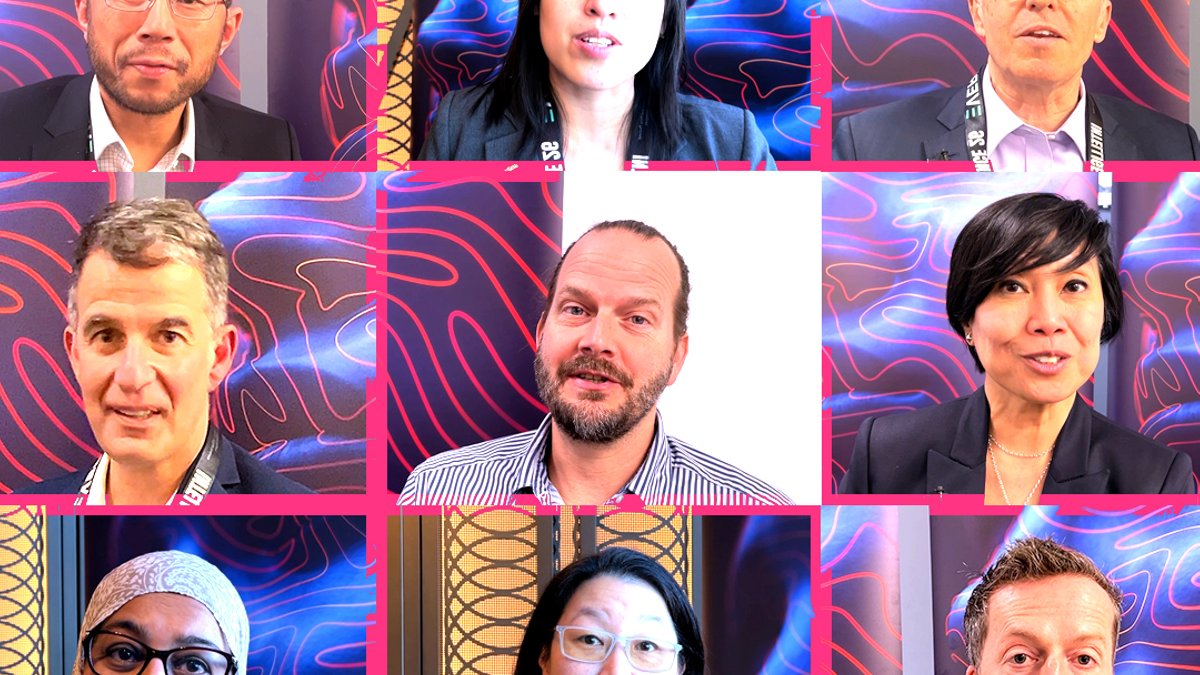
More than 250 local and international professionals met in Sydney this week for #Intelligence26: AI and the Future of Practice, a conference hosted by the Royal Australian and New Zealand College of Radiologists (RANZCR). The gathering focused on practical steps to integrate AI into diagnostic imaging and cancer care—steps often overlooked amid concerns about job security.
Demand is growing faster than the workforce
Dr. Curt Langlotz, a Stanford radiologist and director of the university’s Center for Artificial Intelligence in Medicine and Imaging, opened the event. He noted that 75% of the 1,500 AI tools approved by the U.S. Food and Drug Administration target radiology. A recent study by his team projects a 33% reduction in the need for radiologists’ work over the next five years. The change stems from soaring demand while training rates stay flat.
“Efficiency claims may be overblown for now,” Langlotz said, “but AI will help manage the workload.” He also emphasized that patients should understand how these tools are used in their care.
Related: Bolsonaro Barred from Brazilian Election
Mature data, not flashy tech, should be the priority
Governments and health systems should invest in mature, shareable data rather than the latest AI technology to ensure professions are “AI ready” and can explore its potential and limitations.
Radiologists are already seeing AI’s potential to detect diseases earlier. In Glasgow, a study tests whether combining CT scans with blood tests, ECGs, and breathing tests can identify conditions like heart failure and lung cancer before patients reach the emergency room. Currently, 80% of heart failure diagnoses in the U.K. occur in the ER, along with half of all lung cancer and COPD cases.
Shared data systems have shown promise in improving care coordination. Hospitals that pool information can reduce duplicate tests and speed up diagnoses, particularly for complex conditions.
Who gets left out of the conversation?
Associate Professor Hyun Soo Ko, a radiologist at Peter MacCallum Cancer Centre, highlighted another gap. Millions of scans performed each year for one specific reason could also reveal other health risks. “Opportunistic screening” uses AI to analyze existing imaging data for early signs of conditions like osteoporosis or coronary artery disease, potentially benefiting underserved groups like Indigenous communities and rural populations.
Related: Transform Your Confidence: Discover What Makes a Top Laser Hair Clinic Stand Out
Dr. Martin Gunn, a New Zealand radiologist and former chair of RANZCR’s AI Advisory Committee, noted that the field has moved from “aspirational” in 2018 to routine use today. Yet questions remain about how automation might introduce new biases or reinforce old ones. “There’s a tension between promise and reality,” he said. “Once AI becomes the standard of care, what happens to patients who refuse it?”
Professor Ruth Carlos, editor-in-chief of the Journal of the American College of Radiology, stated that clinicians know their blind spots as humans. “But AI is a new entity with its own opinions.” The challenge, she said, is figuring out what to do when AI’s recommendations clash with a clinician’s judgment—and ensuring the tools actually improve care, not just add complexity.
The conference showed that the AI revolution in radiology isn’t about machines taking over. It’s about whether doctors, patients, and health systems are ready for the changes already happening.